
Why do people gamble? Unraveling the mysteries of motivation and desire
The Thrill of Uncertainty
The excitement that comes from uncertainty is a primary driver for many individuals who gamble. The potential to win big against odds creates a unique cocktail of anticipation and adrenaline. Each roll of the dice or spin of the wheel resonates with the human instinct for risk-taking, allowing participants to venture into worlds filled with unpredictable outcomes. This thrill is often compared to the rush experienced by extreme sports enthusiasts, offering a break from the monotony of daily life.
This need for stimulation not only draws people to casinos and betting websites but also motivates them to engage in experiences that challenge their limits. The emotional highs associated with gambling can be particularly captivating, luring individuals back for more, even after they may have faced losses. It’s a dual-edged sword, as this exhilaration can foster a cycle of increased engagement, leading some to gamble beyond their means.
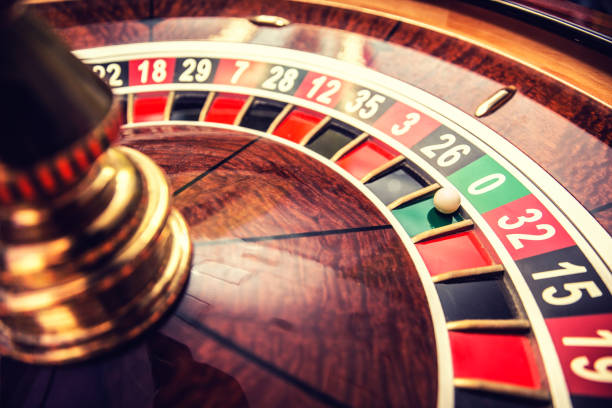
Ultimately, the thrill of uncertainty serves as a powerful reminder of our desire for excitement and adventure. Many individuals relish the idea of being at the mercy of luck, embracing the chaos while seeking a glimpse of fortune. This allure does not merely reside in the potential financial payout; it also encompasses the drama and suspense that accompanies each game, allowing players to feel truly alive in a way that few other experiences can replicate.
Social Influences and Peer Pressure
Gambling is often a social activity, deeply ingrained in many cultures and communities. Many people find pleasure in sharing experiences with friends and family, making the act of gambling more than just a solitary pursuit. Social gatherings centered around games of chance can cultivate a sense of belonging and camaraderie, reinforcing the idea that gambling is an acceptable form of entertainment.
Moreover, peer pressure plays a significant role in motivating individuals to gamble. When friends urge someone to participate or share stories of their winnings, it can create a strong desire to join in, amplifying the social aspect of the experience. The fear of missing out can lead some to gamble even if they are initially hesitant, showcasing how powerful social dynamics can influence personal choices.

In many cases, these social bonds formed over gambling can enhance the experience itself, transforming it into a shared narrative that further integrates it into the social fabric. For some, engaging in gambling activities with loved ones can strengthen relationships, adding depth to the shared moments of excitement. However, it’s essential to consider the potential repercussions of such social influences, as it may lead individuals to gamble irresponsibly or develop unhealthy patterns.
The Allure of Winning and Financial Gain
The prospect of financial gain is perhaps the most compelling reason why people gamble. The chance to win significant sums of money can create an enticing dream for many. Stories of overnight millionaires capture the imagination, fueling aspirations and desires for a better life. This hope can overshadow the reality of the odds, leading many to believe they are more likely to win than they actually are.
Additionally, for some, gambling becomes a way to escape financial difficulties or improve their socioeconomic status. This motivation is particularly strong for individuals facing economic hardships, as they may perceive gambling as a quick solution to their problems. Unfortunately, this strategy can often lead to more financial strain, as losses accumulate and the initial thrill wears off.
The psychological effects of chasing a win can also contribute to a person’s decision to continue gambling. The allure of quick financial relief can cloud judgment, pushing individuals to overlook the potential risks. They may become locked in a cycle of chasing losses, hoping that the next game will be the one that changes their fortunes. This behavior can spiral out of control, leading to significant financial and emotional distress.
Emotional Escape and Coping Mechanism
For many people, gambling serves as a form of emotional escape, allowing them to temporarily disengage from life’s stresses and challenges. This can be especially true for individuals experiencing mental health struggles or personal hardships. Engaging in games of chance provides a distraction, offering an emotional release that provides a respite from day-to-day issues.
While this can seem beneficial in the short term, using gambling as a coping mechanism can lead to dependence. The initial moments of joy and escape can give way to feelings of guilt or anxiety, creating a cycle that can be difficult to break. Understanding this psychological aspect is vital, as it sheds light on the vulnerabilities that can lead to problematic gambling behavior.
Recognizing that gambling can serve as an emotional crutch is crucial for those who may be unwittingly relying on it for comfort. It’s important to seek healthier alternatives for coping with stress, fostering resilience in the face of life’s challenges. By addressing the root causes of emotional distress, individuals may find more sustainable and positive outlets for their emotions.
Explore More on Gambling
For those curious about gambling and its various facets, exploring different platforms like online pokies can provide deeper insights into this world. Understanding the myriad motivations behind gambling can empower individuals to make informed choices, whether for entertainment or seriousness. There is a wealth of information available that delves into the intricacies of gambling culture, strategies, and the fine line between fun and addiction.
By examining these motivations, one can appreciate the various dimensions surrounding gambling, embracing its complexities while remaining aware of its risks. Whether it’s the thrill, social influences, financial aspirations, emotional escape, or simply the desire to learn more, the reasons behind why people gamble are as diverse as the individuals themselves. This understanding not only enriches our perspective on gambling but also encourages responsible engagement with this multifaceted activity.